Monochrome Hexagonal Pattern: A Versatile Design Element
Monochrome hexagonal patterns are a striking and versatile design element that can add a touch of sophistication and modernity to any project. These patterns, characterized by their repeating hexagonal shapes in a single color, offer a unique blend of simplicity and complexity, making them a popular choice for a wide range of applications.
Understanding Monochrome Hexagonal Patterns
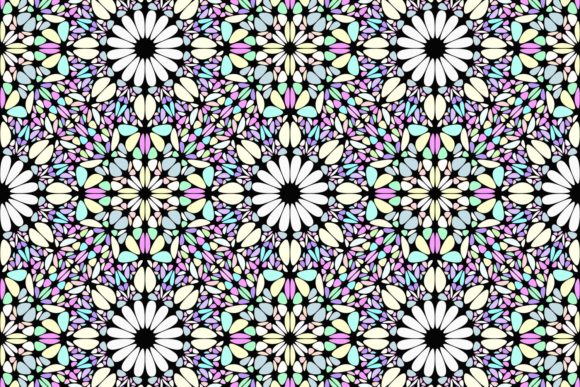
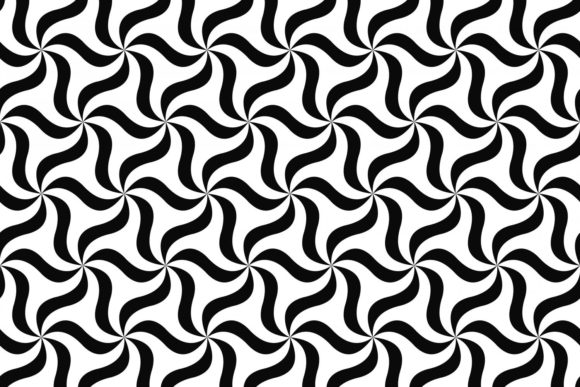
A monochrome hexagonal pattern is essentially a seamless, abstract floral design composed of hexagons. The use of a single color (monochrome) creates a cohesive and clean look, while the hexagonal shape adds geometric interest. This combination makes it an ideal choice for backgrounds, textures, and decorative elements in both digital and print media.
Interior Design
In interior design, monochrome hexagonal patterns can be used in wallpaper, floor tiles, and even as a decorative element on furniture. The pattern's geometric nature can complement both contemporary and traditional styles, adding a subtle yet impactful visual element to any space. For instance, a monochrome hexagonal tile floor in a bathroom can create a modern and clean aesthetic, while a hexagonal wallpaper in a living room can add a touch of elegance and texture.
Fashion and Textiles
The fashion industry has also embraced monochrome hexagonal patterns. From clothing to accessories, these patterns can be incorporated into fabric designs, creating a stylish and timeless look. A monochrome hexagonal patterned scarf or a dress with a hexagonal print can add a unique and fashionable touch to any outfit. Additionally, the pattern's versatility allows it to be used in both casual and formal wear, appealing to a broad audience.
Graphic Design and Branding
Graphic designers and branding professionals often use monochrome hexagonal patterns to create visually appealing and memorable designs. These patterns can be used in logos, business cards, and other marketing materials. The clean, geometric lines of the hexagon combined with a single color can help establish a brand's identity and make it stand out. For example, a tech company might use a monochrome hexagonal pattern in its logo to convey a sense of innovation and precision.
Web Design and User Interfaces
In web design, monochrome hexagonal patterns can be used as background textures or as part of a user interface (UI) design. These patterns can add a subtle yet engaging visual element to a website or application, enhancing the overall user experience. For instance, a monochrome hexagonal pattern can be used as a background for a blog or a landing page, providing a clean and modern look that complements the content.
Choosing the Right Color
When using a monochrome hexagonal pattern, the choice of color is crucial. The color should complement the overall design and align with the intended mood and message. For example, a black and white monochrome pattern can create a classic and sophisticated look, while a pastel-colored pattern can add a soft and calming effect. It's important to consider the context and the target audience when selecting the color.
Scale and Placement
The scale and placement of the hexagonal pattern can significantly impact its effectiveness. Larger hexagons can create a bold and dynamic effect, while smaller hexagons can provide a more subtle and refined look. The pattern's placement should also be carefully considered. For instance, in a web design, the pattern might be used as a full-screen background, or it could be confined to specific sections to draw attention to key elements.
Compatibility and Accessibility
When using monochrome hexagonal patterns, it's essential to ensure that the design is accessible and compatible with various devices and platforms. The pattern should be clear and legible, especially if it's used in a UI design. Additionally, the pattern should be optimized for different screen sizes and resolutions to ensure a consistent and high-quality experience across all devices.
Strengths and Limitations
One of the main strengths of monochrome hexagonal patterns is their versatility. They can be adapted to a wide range of design needs and can work well in both digital and physical formats. The clean and geometric nature of the pattern also makes it easy to integrate into existing designs without overwhelming the overall aesthetic.
However, there are some potential limitations to consider. For example, the repetitive nature of the pattern can sometimes be too uniform, potentially leading to a lack of visual interest. To mitigate this, designers can experiment with varying the scale, spacing, or adding subtle variations to the pattern. Additionally, while the monochrome aspect can be a strength, it can also limit the pattern's ability to add vibrant and varied colors to a design.
Conclusion
Monochrome hexagonal patterns are a powerful and flexible design tool that can enhance a wide range of projects. Whether used in interior design, fashion, graphic design, or web design, these patterns offer a unique and elegant solution. By considering the color, scale, and placement, and by being mindful of accessibility and compatibility, designers can effectively leverage the strengths of monochrome hexagonal patterns to create visually appealing and functional designs.